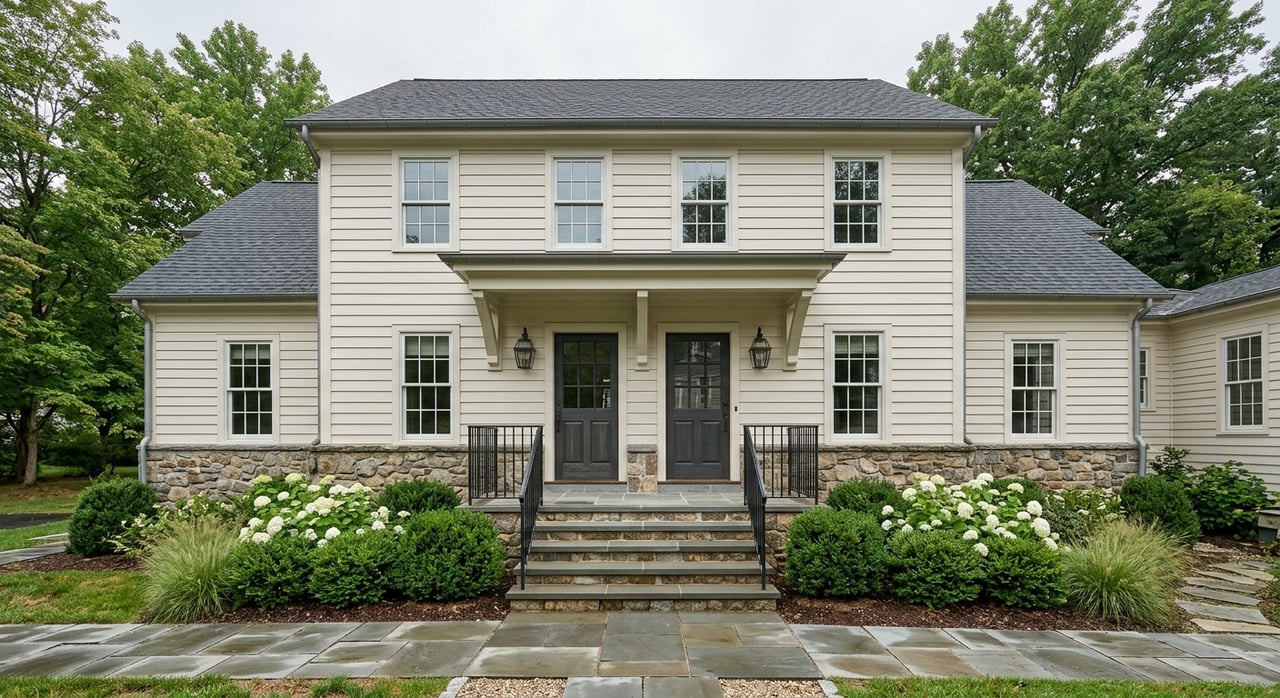
Buying a small multifamily in Stamford can look simple on paper until the real numbers start moving. A property that seems attractive at first glance can change quickly once you test rent assumptions, tax bills, vacancy, and legal use. If you want to evaluate Stamford multifamily opportunities with more confidence, it helps to focus on the local details that matter most. Let’s dive in.
Why Stamford draws multifamily interest
Stamford stands out because it offers a large renter base in a market that supports urban and commuter lifestyles. Census data shows the owner-occupied housing rate is 48.8%, which means the city is roughly half renter-occupied. The same data also shows a median household income of $111,586 and a mean travel time to work of 28.5 minutes.
That mix matters when you evaluate rental property. It suggests a tenant base that may value convenience, access, and housing options near daily commuting patterns. For an investor or owner-occupant buyer, that creates a useful starting point, but it is only the beginning of the analysis.
Start with realistic rent assumptions
The fastest way to misread a Stamford deal is to overestimate rent. Recent asking-rent data places average apartment rents in a range of about $2,783 to $3,007, with Zillow at $2,863, Apartments.com at $2,783, and RentCafe at $3,007. Because these figures come from different sources and methods, you should treat them as a range, not a fixed number.
That range gives you a market pulse, but unit mix matters just as much. Recent guides show studios around $2,156 to $2,240, one-bedrooms around $2,671 to $2,783, two-bedrooms around $3,000 to $3,743, and three-bedrooms around $3,700 to $4,451. If you are evaluating a building with larger units, your income upside may look different than a property made up mostly of studios or one-bedrooms.
Point2Homes also estimates Stamford rental vacancy at 5.3%. That means your underwriting should include a vacancy factor rather than assuming full occupancy all year. A deal that only works at 100% collection is usually a deal that needs a second look.
Check unit type demand
Stamford's renter base is not evenly spread across all unit types. Point2Homes shows that two-bedroom units make up the largest share of renter-occupied units at 41%. If a building has a strong two-bedroom mix, that may support demand, but you still need to compare each unit to current market pricing and condition.
Price condo-style units carefully
Some Stamford properties blur the line between apartment, condo, and townhouse living. Apartments.com shows condo rentals averaging $3,223, which suggests condo- or townhouse-style units may command a premium over standard apartments. That should be treated as a possibility to test, not an automatic assumption.
If you are reviewing this kind of property, be careful not to apply a premium without support from current comparable rentals. Layout, finishes, building amenities, and association costs can all affect whether that premium actually holds.
Focus on three core metrics
Once your rent estimate is grounded, move to the numbers that help you compare one opportunity to another. In Stamford, headline price alone rarely tells the full story. A cleaner evaluation comes from looking at cap rate, DSCR, and cash-on-cash return together.
Cap rate
Cap rate equals net operating income divided by purchase price or current market value. It helps you compare pricing across properties using stabilized income. It does not account for your financing structure, so it is useful, but incomplete on its own.
DSCR
Debt service coverage ratio, or DSCR, measures net cash flow against annual debt service. In plain terms, it helps show whether the property can support its loan payments. If a deal looks fine before debt but struggles once financing is included, that is an important warning sign.
Cash-on-cash return
Cash-on-cash return equals annual pretax cash flow divided by total cash invested. This metric is especially useful if you are comparing different down payments, closing costs, or renovation budgets. It helps you see how hard your actual cash is working.
Separate operating costs from tax treatment
A common mistake is mixing tax deductions with real cash expenses. For practical underwriting, you want to know what leaves your bank account each month and what affects tax reporting later. Those are related, but they are not the same.
The IRS lists common rental expenses such as maintenance, insurance, taxes, interest, utilities, and operating costs paid to contractors or professionals. If you are evaluating a condo rental, common-element dues may also matter. Depreciation begins when the property is placed in service, but it is a tax deduction rather than a cash operating expense.
Include reserves in your analysis
Even if a property is occupied and collecting rent, older buildings can change your numbers quickly. Point2Homes shows Stamford has a meaningful mix of older and newer rental stock, including many buildings from the 1960s and 1970s along with a large 2010 to 2019 cohort. That means condition and future capital needs deserve close attention.
When you evaluate a small multifamily, ask what repairs are current operating items and what projects are capital improvements. Roofs, systems, windows, and exterior work can materially affect returns, especially in older properties.
Underwrite Stamford taxes carefully
In Stamford, property taxes can reshape a deal more than many buyers expect. The city assesses real estate at 70% of fair market value. It also posts different mill rates by district, including 23.92 for District A, 23.47 for B, 23.27 for C, and 23.66 for CS, with a 1.39 DSSD add-on in some District A properties.
Using those posted rates, a $1 million market-value property in District A implies about $16,744 in annual city tax before exemptions. If the DSSD applies, that figure rises to about $17,717. That is a meaningful difference, which is why you should confirm the exact tax district before making yield assumptions.
Watch tax timing too
The amount is only part of the story. Stamford says real estate tax bills are due in two installments, on July 1 and January 1. Delinquent interest accrues at 1.5% per full or partial month.
From a cash-flow perspective, this matters. If you are planning reserves and closing liquidity, the timing of those payments should be part of your review.
Verify zoning and legal use
A multifamily opportunity is only as strong as its legal status. Stamford's zoning regulations govern land use, building size, height, setbacks, parking, open space, historic preservation, and affordable housing. The current code also includes nonconforming-use provisions, sustainability and resiliency rules, and permit and approval sections.
This is especially important if a property is being marketed with extra living space, basement units, or a unit count that seems unusually high for the lot or building type. The city provides an enforcement path for suspected illegal apartments and basement units. Before you get comfortable with projected income, confirm that the unit count and use align with current zoning and approvals.
Review special conditions early
The Zoning Board may review site and architectural plans, special exceptions, and coastal site plans. Depending on the property, these issues can affect renovation plans, expansion ideas, or future flexibility. It is much better to identify these constraints before you call the deal a winner.
Understand Connecticut deposit rules
If you plan to lease units, Connecticut security deposit rules can affect both operations and cash handling. The state caps security deposits at two months' rent, or one month if the tenant is 62 or older. Deposits must be held in a Connecticut escrow account.
The state also says the 2026 security-deposit interest rate is 0.49%. In general, deposits must be returned, with notice of damages if any, within 21 days after the tenancy ends. These rules may sound administrative, but they still matter when you think about compliance and day-to-day management.
A simple Stamford evaluation checklist
Before you feel good about a multifamily deal in Stamford, pressure-test the basics:
- Confirm stabilized rent by unit type using current asking-rent ranges and, when possible, recent actual lease support
- Apply a vacancy assumption instead of underwriting full occupancy all year
- Calculate cap rate using realistic net operating income
- Test DSCR using taxes, insurance, vacancy, and reserves
- Measure cash-on-cash return based on your actual cash needed to close and improve the property
- Verify the exact tax district and calculate annual taxes using Stamford's assessment ratio and mill rate
- Separate ongoing expenses from capital improvements
- Confirm the legal unit count and zoning status
- Check whether condo or association charges apply to the property
- Review whether any site-plan, coastal, or nonconforming-use issues could affect value or future plans
What strong Stamford deals usually have in common
In this market, the best multifamily opportunities usually do not stand out because of a flashy headline cap rate. They tend to make sense because the rent assumptions are grounded, the taxes are underwritten correctly, and the zoning status is clear. That kind of discipline can help you avoid surprises and compare properties more fairly.
If you are exploring a Stamford multifamily purchase, it helps to work with someone who understands how neighborhood-level pricing, property type, and local market conditions fit together. For a local perspective on Stamford opportunities and the broader lower Fairfield County market, reach out to Spencer Sodokoff.
FAQs
How do you evaluate multifamily rent potential in Stamford?
- Start with current asking-rent ranges, compare by unit size, and avoid using one citywide average for every property. Stamford data shows a broad range by unit type, so the best estimate comes from matching the subject property to the right category.
What tax issue matters most for Stamford multifamily buyers?
- The exact Stamford tax district matters because mill rates vary by district, and some District A properties may also have a DSSD add-on. That can materially change annual carrying costs.
What metrics should you use for a Stamford multifamily deal?
- Focus on cap rate, DSCR, and cash-on-cash return together. Each metric answers a different question about pricing, debt coverage, and your actual return on invested cash.
Why should Stamford buyers verify zoning before buying multifamily property?
- Stamford zoning rules affect legal use, unit count, parking, setbacks, and possible approvals. If the current setup is not legally supported, projected income may not hold.
What vacancy rate should you consider for Stamford rental property?
- Point2Homes estimates Stamford rental vacancy at 5.3%, so it is smart to include a vacancy factor in underwriting rather than assuming every unit stays occupied and fully collected year-round.
Do Connecticut security deposit rules affect Stamford multifamily owners?
- Yes. Connecticut caps security deposits, requires them to be held in a Connecticut escrow account, sets an annual interest rate, and generally requires return within 21 days after tenancy ends, with notice of damages if any.