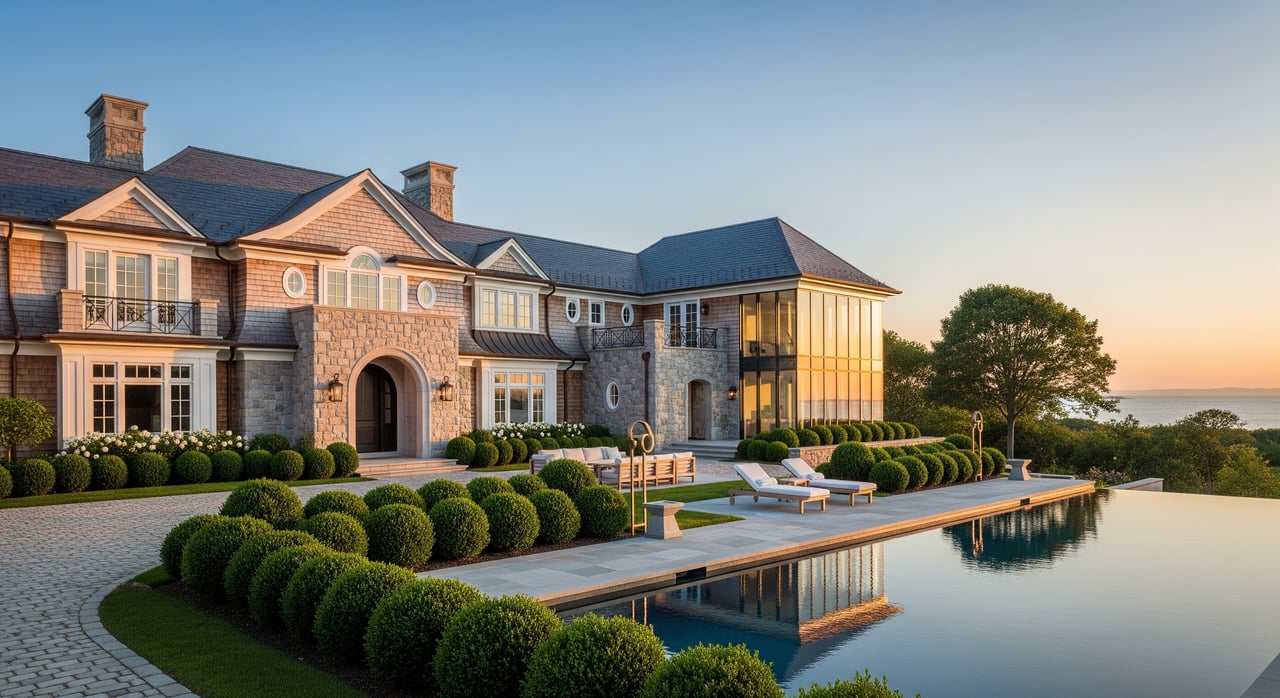
Planning to sell a luxury home in Greenwich and want a plan that reaches serious buyers fast? You are not alone. High-end sellers here want privacy, precision and performance, and they need a marketing strategy that speaks to New York–metro buyers as well as local prospects. In this guide, you will learn how to price, prepare and promote your property with a data-driven plan that fits the Greenwich market. Let’s dive in.
Profile the Greenwich luxury buyer
Greenwich sits in Fairfield County within the New York metropolitan area. Many luxury buyers are NYC-based professionals who value Metro-North access, estate-style living, coastal options and relative privacy. Others come for outdoor amenities, neighborhood convenience and a suburban lifestyle that still stays connected to Manhattan.
Who is likely to buy your home
- Commuter buyers: prioritize train access, manageable grounds and shorter commutes.
- Family buyers: value neighborhood amenities, outdoor space and flexible rooms like finished lower levels.
- Second-home and international buyers: favor privacy, turnkey condition and concierge-style ease.
- Downsizers and empty-nesters: seek single-floor living, low-maintenance homes and proximity to dining and culture.
Neighborhoods like Downtown Greenwich, Old Greenwich, Riverside, Cos Cob and Backcountry can draw different mixes of these buyers. Your plan should reflect the profile most likely to be attracted to your home’s location, lot, design and features.
Market timing and signals
Seasonality matters. Spring and early fall are very active listing windows in Fairfield County, and waterfront properties tend to see stronger summer demand. Inventory and absorption rates can vary by price tier, so track recent local data and watch cross-market influences like Manhattan and Westchester pricing, mortgage rates and tax policy shifts. For up-to-date numbers, lean on recent MLS and brokerage market reports.
Price and position with precision
Luxury homes in Greenwich require pricing that reflects micro-market realities. A few percentage points in finish quality or a difference in location, like a cul-de-sac setting versus high-exposure waterfront, can change value significantly.
Build a Greenwich CMA
Create a Comparative Market Analysis using closed sales from the last 90 to 180 days within the same micro-area. Adjust for lot size, waterfront exposure, views, recent renovations, pool, guest house, finished lower level, garage count and special systems like an elevator or whole-house generator. Confirm tax details, permits and any unique attributes that add or limit appeal.
Choose the right pricing path
- Market-value pricing: Anchored to comps and signals to drive prompt showings.
- Targeted premium pricing: Considered when a property has rare attributes and strong demand, paired with a clear backup plan.
- Controlled exposure or pocket listing: Useful for ultra-private sellers and agent network outreach, but it can reduce total buyer competition.
Pricing psychology matters. Attractive pricing relative to perceived value can generate more showings and overlapping interest. Ultra-unique estates may require a longer runway and bespoke outreach.
Select a broker built for luxury
Look for a recent track record in your price band and neighborhood, access to national and global luxury networks, and a clear marketing plan with measurable KPIs. Your agent should provide a disciplined CMA, a defined pre-list timeline and transparent contract terms. In Greenwich, strong NYC broker connections and distribution through respected luxury platforms are especially valuable.
Positioning that speaks to the right buyer
Tailor your message to the likely buyer. Highlight commute times and station proximity for commuters. Emphasize outdoor living, flexible layouts and local amenities for families. For waterfront properties, communicate factual details about docks, elevation, and protective features. Keep claims verifiable, such as “10 minutes to downtown Greenwich,” and avoid vague superlatives.
Prepare the property for market
In the luxury segment, staging and condition set the tone for perceived value. The goal is to make the home feel move-in ready while showcasing spaces buyers care about most.
Staging and curb appeal
- Professional staging: Focus on living areas, the primary suite and key entertaining spaces. Staging is expected and improves presentation.
- Exterior refresh: Seasonal plantings, lawn care and minor exterior repairs help your photography and first impressions.
- Lighting and finishes: Neutralize dated fixtures and confirm consistent, warm lighting throughout.
Repairs and documentation
Address deferred maintenance and ensure key systems are in good working order. Prepare a home dossier that includes inspection summaries, service records, survey, title information, appraisals and, if applicable, flood-elevation certificates. Organized documentation builds buyer confidence and supports value.
Create best-in-class visuals
High-end buyers expect magazine-quality visuals and a clear sense of layout and flow. Invest in an integrated set of assets that tell a complete story online and in person.
Must-have assets
- Professional photography: High-resolution, well-lit and carefully staged, including a twilight exterior.
- Drone imagery: Essential for acreage, waterfront context and privacy visuals.
- Video walkthrough plus lifestyle reel: A full tour and a 60 to 90 second highlight cut that showcases flow and outdoor spaces.
- 3D tour and floor plans: Accurate room measurements and floor plans are standard expectations at this price point.
- High-quality brochure: A full-color, multi-page brochure with floor plans for showings and broker tours.
- Dedicated property website: A clean landing page with photos, video, brochure, a neighborhood snapshot and easy contact options.
- Professional copy: Balanced lifestyle narrative and factual specs like acreage, year built and notable renovations.
Lifestyle storytelling that fits buyers
Show how the home lives. Highlight indoor-outdoor flow, privacy, guest or staff quarters, wellness spaces, wine storage and smart-home systems. Keep the tone authentic and precise to match the expectations of high-value buyers.
Maximize distribution and exposure
A Greenwich luxury launch should combine broad digital reach, targeted broker outreach and curated in-person experiences. The goal is to reach qualified buyers where they already are while maintaining control and privacy.
Digital channels that reach NYC buyers
- Syndication: MLS distribution to major portals plus select luxury platforms for high-end visibility.
- Social advertising: Instagram and Facebook campaigns with geographic and interest targeting, including retargeting for engaged viewers.
- Programmatic display and native ads: Aim at high-net-worth ZIP codes and finance or wealth readership segments.
- Email marketing: To top NYC brokers, local buyer lists and relocation specialists, with well-designed teasers and follow-ups.
- Paid search: Targeted keywords for high-intent searches, used selectively.
- PR and earned media: Press outreach for architecturally significant or newsworthy properties.
Broker outreach and events
Host broker-only previews, distribute one-page highlight sheets and send targeted mailers to top-producing agents in NYC and Westchester. Use invite-only events for vetted buyers and advisors, and consider partnerships for elevated experiences.
Offline and neighborhood visibility
Deliver luxury brochures and mailers to select routes and broker offices. Use tasteful signage with a QR code to your property website, aligning with your privacy preferences.
International reach when relevant
If your property is likely to attract global interest, syndicate to international marketplaces and prepare multilingual assets for priority markets. Ensure compliance with local marketing standards.
Protect privacy and manage logistics
Luxury listings demand a balance of exposure and discretion. Set clear showing rules and prepare required disclosures before launch to keep momentum strong.
Showings, security and process controls
Use appointment-only showings with pre-qualified buyers and a check-in protocol. For high-profile sellers, limit photography during tours and coordinate private time windows. Your agent can manage calendars, broker vetting and visitor routes.
Disclosures and local considerations
Follow Connecticut and federal requirements, including lead-based paint disclosures for pre-1978 homes and any known material defects. If the home is in a flood zone, provide FEMA flood details, flood-elevation certificates and a history of mitigation measures. Waterfront buyers will expect clarity on flood insurance options. For homes with private septic or well systems, share inspection reports and maintenance records. Confirm any historic district limitations, and verify short-term rental rules or HOA restrictions if rental potential is part of the story.
Timeline, budget and KPIs
A disciplined plan keeps your project on track and helps you adjust quickly based on real results.
A proven pre-list timeline
- 4 to 8 weeks before launch: Finalize CMA and pricing, complete repairs and deep cleaning, confirm staging, and gather all documentation.
- 1 to 2 weeks before launch: Produce photography, drone footage, video, Matterport and floor plans. Build the property website, brochure and ad creative.
- Launch week: Consider a soft broker preview, then go live on the MLS and all channels. Start paid campaigns and broker outreach.
- First 2 to 3 weeks live: Broker tours, appointment-only showings and targeted events. Gather feedback and refine marketing or pricing as needed.
Budget conversation
Expect a larger, bespoke investment for luxury listings. Typical categories include staging, bundled visual production, print collateral, paid digital and programmatic advertising, and any PR or luxury syndication fees. Your agent should provide line-item estimates and confirm which costs are included.
Metrics that guide decisions
Track weekly during the launch, then biweekly or monthly.
- Exposure: Listing views across MLS and portals, property website traffic, video plays and completion rates, and visitor geography.
- Engagement: Broker inquiries, qualified leads, showing requests and scheduled tours.
- Transaction: Days on market, showings-to-offer ratio, number of offers and sale price versus list price.
- Cost: Marketing spend as a percentage of list price and approximate cost per qualified lead.
Next steps
Selling a luxury home in Greenwich rewards a thoughtful plan: precise pricing, standout visuals, targeted distribution and steady performance tracking. If you want a clear strategy and high-touch execution, connect with a local specialist who pairs neighborhood expertise with strong luxury networks and disciplined reporting. Reach out to Spencer Sodokoff to request a free market consultation and a tailored plan for your property.
FAQs
How long to prepare a Greenwich luxury home for sale?
- Typical prep takes 4 to 8 weeks, depending on repairs, staging and scheduling for professional photography and video.
Are open houses right for high-end Greenwich listings?
- Many luxury listings favor appointment-only showings and broker previews. Open houses are often selective or invite-only to maintain privacy.
What should a Greenwich luxury marketing budget include?
- Most plans include staging, professional visuals, print collateral, paid digital and programmatic ads, and any PR or luxury syndication fees. Ask for line-item estimates.
Will staging pay off in the Greenwich luxury market?
- Professional staging is expected and usually improves buyer perception and marketability. The impact depends on your home’s condition and target buyer cohort.
Is a pocket listing a good idea in Greenwich?
- It can work for ultra-private sellers and agents with deep networks, but it may reduce total buyer competition. Use it only with a clear strategic rationale.