Trying to choose between a low‑maintenance townhouse and a classic single‑family home in Old Greenwich? You’re not alone. With a coastal setting, a village vibe, and a Metro‑North station right in town, the right fit depends on how you want to live, what you want to spend each month, and how you plan to handle coastal risks and regulations. In this guide, you’ll compare costs, lifestyle tradeoffs, financing, and due‑diligence steps so you can move forward with confidence. Let’s dive in.
Old Greenwich at a glance
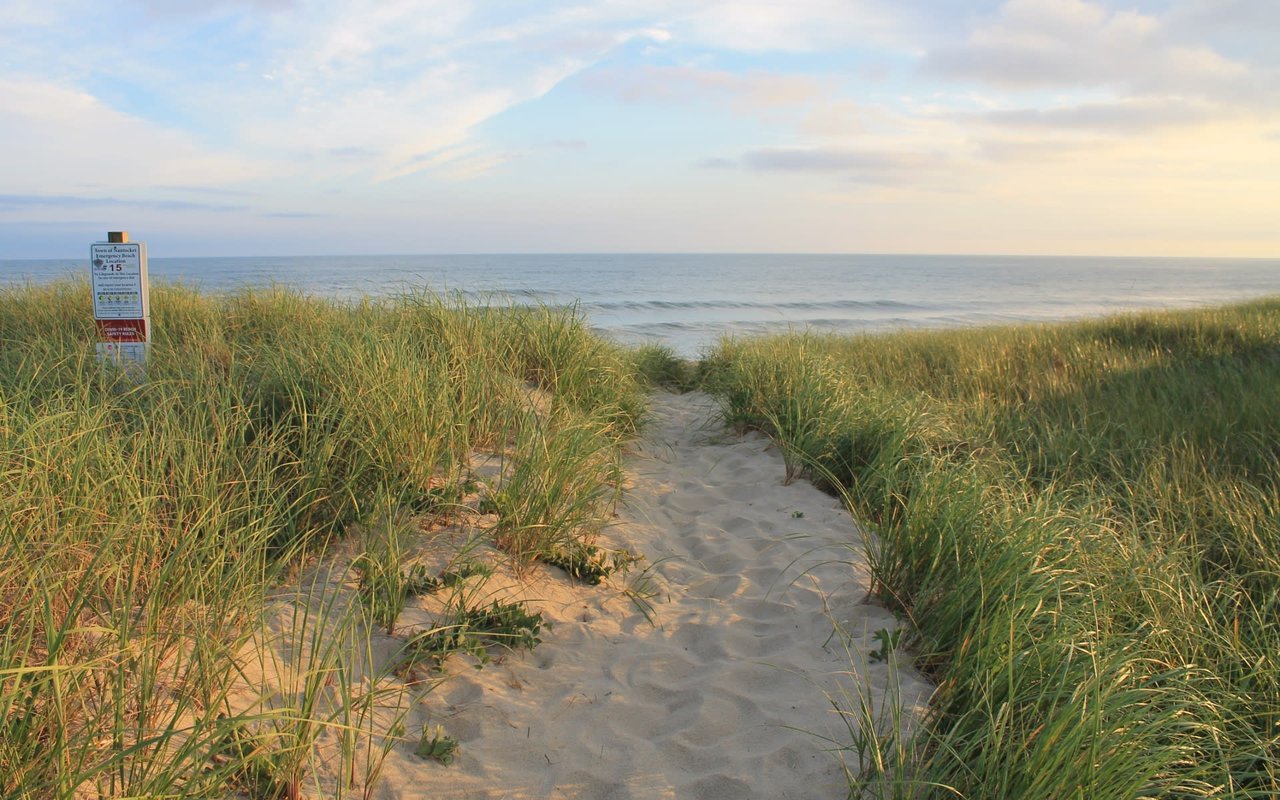
Old Greenwich sits on the coast within the Town of Greenwich. You’ll find a walkable downtown, marina and beach access, and the Old Greenwich Metro‑North station for New Haven Line service to NYC. If you value convenience and a coastal lifestyle, you’ll likely consider this area.
Who often buys here:
- Commuters who want rail access and less yard work.
- Downsizers who prefer a walkable village and reduced maintenance.
- Households looking for neighborhood character and access to Greenwich public schools.
- Investors or second‑home buyers drawn to seasonal appeal.
Proximity to the village core, train, and shoreline influences value and monthly costs. Properties closer to the water can carry higher insurance needs because of flood exposure.
Market differences: price, inventory and resale
While numbers shift month to month, a common pattern in established coastal suburbs is that townhouses and condos typically offer a lower entry price than detached single‑family homes. Single‑family homes often command a premium for private yards and full lot ownership, while per‑square‑foot values can vary by renovation level and location.
Inventory is tight in Old Greenwich. Developable land is limited, and single‑family turnover can be low in especially desirable pockets. Townhouse and condo options are often concentrated near the village and transit, which can spark quick competition for well‑priced, walkable units.
For resale, single‑family homes in Greenwich historically draw a broad buyer pool in strong market cycles, though they come with higher entry and carrying costs. Townhouse and condo resale depends heavily on HOA health, reserve funds, and the supply of similar units. A competitive listing can move quickly if the building and HOA are well managed.
Monthly costs and responsibilities
Understanding your total monthly cost matters more than the list price. Compare taxes, insurance, HOA dues, utilities, and maintenance.
Property taxes
The Town of Greenwich sets assessments and tax rates. Before you write an offer, review assessed value and the latest mill rate with the Greenwich Tax Assessor. Ask about reassessment cycles and appeal windows.
Homeowners and flood insurance
Coastal location makes flood due diligence essential. If a property sits in a FEMA Special Flood Hazard Area, lenders commonly require flood insurance in addition to homeowners coverage. Premiums vary by flood zone and elevation.
- Check the property’s flood zone using the FEMA Flood Map Service Center.
- If exposure is possible, request an Elevation Certificate early. It helps estimate flood premiums and informs mitigation options.
- Compare NFIP and private flood insurance, and review any prior flood claims or mitigation work.
Townhouses and condos typically carry a master insurance policy for common elements. Confirm what the master policy covers and what your individual policy needs to include.
HOA dues and governance (for townhouses/condos)
HOA dues usually cover exterior maintenance, common areas, landscaping, snow removal, and master insurance. A lower purchase price can be offset by higher monthly dues or pending special assessments.
Key items to review:
- Current dues and exactly what they cover.
- HOA budget, reserve fund, and recent or planned assessments.
- Board meeting minutes and any pending litigation.
- Rules and restrictions, including pets, rentals, and exterior changes.
Maintenance and time commitment
- Single‑family: You handle roof, siding, driveway, yard, and any site systems. Costs are variable, and time commitment can be higher.
- Townhouse/condo: Exterior work is often centralized through the HOA. You trade higher monthly dues for a lighter personal maintenance load and less direct control.
Utilities and services
Heating and cooling needs often scale with square footage. Many properties are on municipal water and sewer, but confirm each address. In some pockets, older or outlying parcels may have different setups.
- Verify sewer connection and any past assessments with the Town of Greenwich Sewer Division.
Financing and legal differences
Condo and townhouse financing
Lenders evaluate condos and some townhouse projects differently than single‑family homes. Factors like owner‑occupancy percentage, commercial space ratios, and reserve levels can affect loan options and rates.
- If you need government‑backed financing, check whether the project meets FHA condominium requirements.
- Get pre‑approved and have your lender confirm any condo or project‑level requirements before you bid.
Legal documents and title
- Single‑family: Expect a simpler title chain, but review surveys, setbacks, easements, and any recorded restrictions.
- Townhouse/condo: Review the declaration, bylaws, rules, budgets, recent meeting minutes, master insurance details, and any resale certificate. Confirm whether you’re buying fee simple or a condominium interest.
Inspections that matter here
- Single‑family: Roof, foundation, drainage, HVAC, and, where applicable, septic and shoreline structures. Look for salt‑air wear and signs of past flood damage.
- Townhouse/condo: Full interior inspection plus exterior and common‑area condition. Ask for recent capital improvement history and engineering reports to identify potential assessments.
Lifestyle tradeoffs in Old Greenwich
Townhouse lifestyle
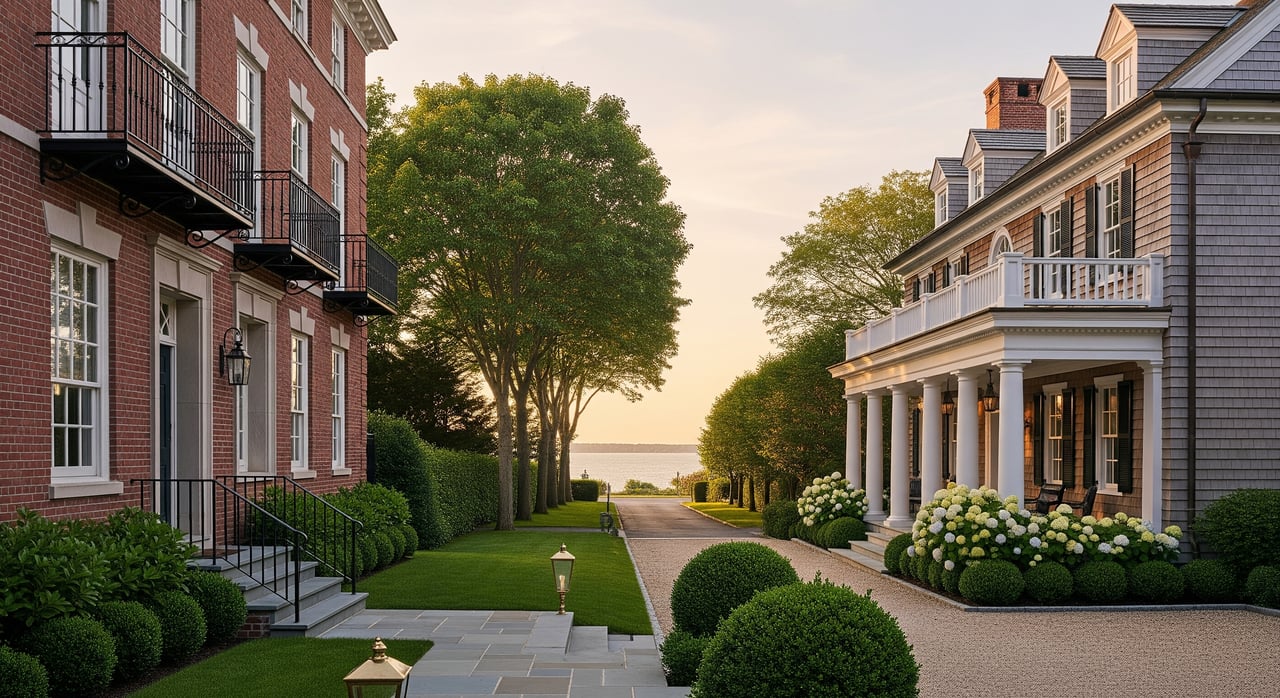
If you want a walkable setting near shops, beach access, and the train, a townhouse or condo near the village may fit well. You’ll likely have less private outdoor space, and HOA rules will guide what you can change. The upside is time back in your week and a lock‑and‑leave setup.
Single‑family lifestyle
If you value privacy, yard space, and control over exterior improvements, a detached home is a strong match. You may find more storage and expansion options, though you also take on larger maintenance and potentially higher taxes and insurance.
Location specifics
Being close to the Old Greenwich station can be a daily advantage for commuters. Explore timetables and service on the Old Greenwich Metro‑North station page. Homes with water views or near the shoreline can carry premiums along with added insurance needs. Always weigh elevation and flood exposure alongside lifestyle benefits.
Buyer checklists
Townhouse and condo buyers
- Obtain the full HOA document set: declaration, bylaws, rules, budget, recent financials, and meeting minutes.
- Verify what the master insurance covers and what you must insure.
- Review reserve funds and any recent or upcoming special assessments.
- Confirm parking, storage, and use of common areas.
- Ask for recent building reports or exterior inspections.
- If relevant, confirm project eligibility for FHA or VA financing.
Single‑family buyers
- Confirm flood zone status on the FEMA Map Service Center and request an Elevation Certificate if needed.
- Inspect drainage, grading, and any shoreline structures for wear or erosion.
- Verify sewer vs septic through the Sewer Division and ask about any past assessments.
- Review building permit history with Town departments and look for unpermitted work.
Seller tips for stronger resale
- For single‑family homes: Highlight outdoor living, storage and garage space, and any future expansion potential. A pre‑listing inspection can help you address major issues up front.
- For townhouses and condos: Provide a clean and complete HOA package early. Clarify what dues cover. Document recent building capital projects and current reserve strength.
- For all listings: Align pricing with nearby actives and recent closed sales by unit type, proximity to the village, and parking or storage inclusions.
How to verify key facts
Use these quick steps to confirm details before you buy or list:
- Property taxes and assessed value: Check the Greenwich Tax Assessor.
- Flood exposure: Use the FEMA Flood Map Service Center and request an Elevation Certificate if needed.
- Coastal rules and permits: Review guidance from Connecticut DEEP’s Coastal Management and consult Town departments for site‑specific rules.
- Sewer connection: Confirm details with the Town of Greenwich Sewer Division.
- School assignments: Verify current information directly with Greenwich Public Schools.
- Commuting options: Review service at the Old Greenwich Metro‑North station.
- Zoning, permits and wetlands: Start with Town of Greenwich Land Use for planning, building, and wetlands contacts.
Choosing what fits your goals
If your priority is low upkeep and walkability near shops and the train, a townhouse or condo near the village may be your best fit. If you want a private yard, room to grow, and more control over improvements, a single‑family home may be worth the extra maintenance. In Old Greenwich, the right decision also includes flood exposure, HOA health, and how the location supports your daily life.
Ready to compare specific properties and run true monthly cost scenarios? Reach out to Spencer Sodokoff for a local game plan and Request a Free Market Consultation.
FAQs
Is a townhouse cheaper than a single‑family home in Old Greenwich?
- Typically the entry price is lower for townhouses and condos, but compare total monthly costs, including taxes, HOA dues, and insurance.
How does flood zone status affect Old Greenwich homes?
- Flood zone and elevation can impact insurance requirements and premiums; verify your zone on the FEMA map and obtain an Elevation Certificate early.
What HOA documents should I review before buying a townhouse?
- Review the declaration, bylaws, rules, budget, reserve funds, recent meeting minutes, any litigation, master insurance, and special assessment history.
Can condo financing be denied due to project issues?
- Yes, lenders review owner‑occupancy levels, reserves, commercial ratios, and project approval status, which can affect eligibility for certain loans.
Which inspections are most important for coastal properties in Old Greenwich?
- Focus on roof, foundation, drainage, HVAC, and, where applicable, septic and shoreline structures, plus evidence of past flood damage or salt‑air corrosion.