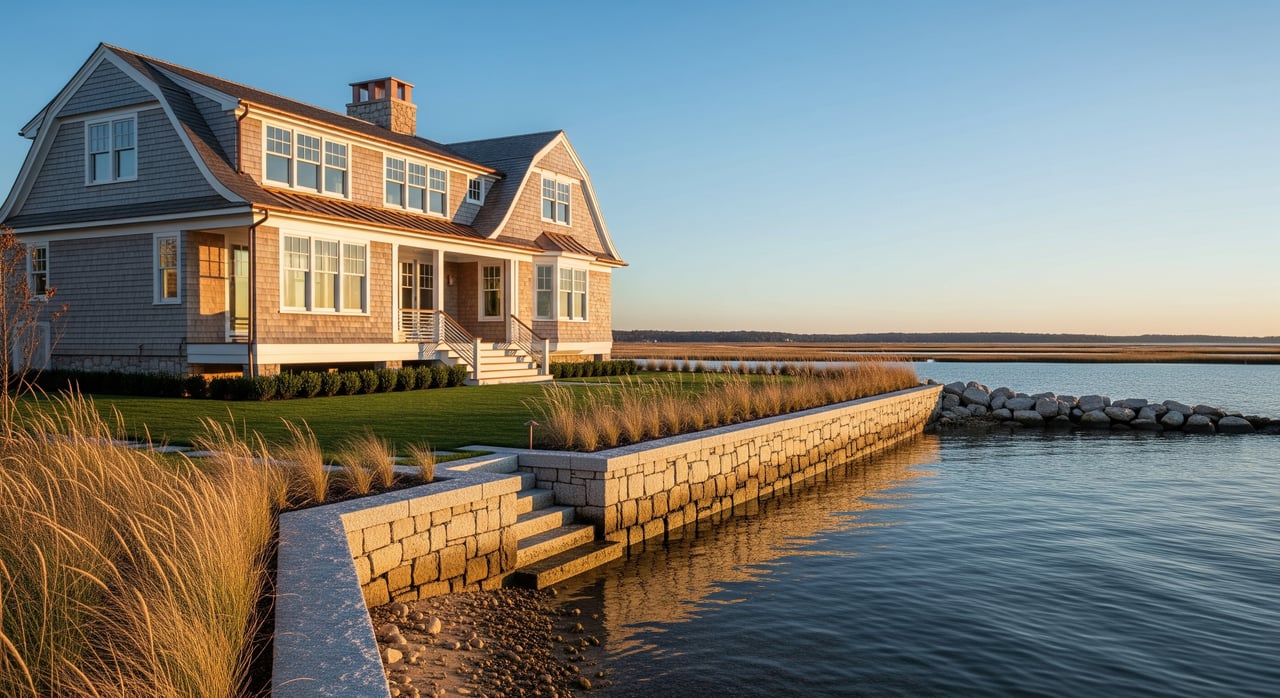
Rowayton waterfront living is special, and it also comes with extra exposure to tides, wind, and salt. If you own or plan to buy on Long Island Sound, you want a home that is ready for the next high tide and the next storm. In this guide, you’ll learn the most impactful weatherization steps, how local rules work, and what to check for insurance. Let’s dive in.
Understand Rowayton’s coastal risks
Tides and rising water
Rowayton sits on the Norwalk River estuary where daily tides and storm surge can push water inland. You can reference local tide and benchmark data at the South Norwalk station to understand on-site elevations and datums. Check the NOAA station for context on local tides and storm-tide records at the South Norwalk tide and benchmark page.
Connecticut planning guidance advises planning for about 20 inches of sea-level rise by 2050 along Long Island Sound. That increase can raise the odds of nuisance flooding and amplify storm tides. Review the state context on the CIRCA sea-level rise page.
Flood zones and local rules
Norwalk’s zoning code includes a Flood Hazard Zone and Coastal Zone with standards tied to FEMA flood maps. If you plan work near the shoreline or below flood elevations, expect extra review and floodplain requirements. Get familiar with local rules at the city’s zoning regulations page.
Shoreline hardening like new seawalls or bulkheads is tightly regulated in Connecticut. The state generally discourages new hard structures unless protecting existing inhabited structures or water-dependent uses. Learn what is allowed on CT DEEP’s shoreline protection guidance.
High-impact upgrades to do first
Elevate space and let water pass
When feasible, elevate the lowest habitable floor to at least the Base Flood Elevation, plus a sensible freeboard margin. For non-habitable areas below that level, use wet floodproofing so water can enter and exit without damaging the structure. See FEMA’s overview of wet floodproofing.
If you have enclosed areas under the home, install compliant flood openings to equalize water pressure. Sizing, placement, and documentation matter for both code and insurance. Review guidance based on FEMA Technical Bulletin 1 in this technical summary.
Protect utilities and power
Utilities are a priority. Raise electrical panels, HVAC units, water heaters, fuel tanks, and key outlets above the projected flood level. If you cannot relocate, use rated, anchored equipment and watertight enclosures. FEMA’s homeowner guide outlines practical options in FEMA P-312.
Add redundancy. A high-capacity sump pump with a backup pump and battery or generator helps during heavy rain and power outages. Consider a sub-panel located above flood level that feeds critical circuits like the sump, refrigeration, and communications.
Use flood-ready materials
Finish any areas below the expected flood level with flood-resistant materials such as pressure-treated lumber, closed-cell insulation, concrete, cement board, and water-tolerant flooring. Aim for simple, easily cleanable finishes and avoid absorbent materials in those zones.
Manage drainage and landscape
Keep gutters clear and extend downspouts well away from the foundation. Use permeable paving where practical, and direct roof runoff toward safe discharge points. Small grading tweaks around doors, garages, and walkways can reduce ponding and back-bay flooding on high-water days.
Permits, insurance, and documents
When permits apply
Shoreline work such as seawalls, bulkheads, and many docks often needs CT DEEP authorization, and sometimes federal permits. Local Norwalk Planning & Zoning and harbor authorities also have a say. Early conversations save time. Start with DEEP’s shoreline protection page and the city’s zoning resources.
Substantial improvement rules
Large projects can trigger “substantial improvement” rules. If the cost of improvements meets or exceeds a community-defined share of the structure’s value, you may need to bring the home into full floodplain compliance. Confirm thresholds and requirements with Norwalk Planning & Zoning at the zoning regulations page.
Insurance and CRS discounts
Flood insurance is strongly recommended for waterfront properties. Pricing depends on your flood zone, the home’s elevation, and community participation in the NFIP and the Community Rating System. Check municipal status in FEMA’s Community Status Book, then discuss options with your insurance agent.
Elevation Certificates and map changes
An Elevation Certificate documents the home’s elevation relative to flood levels. It affects both permits and insurance pricing. If you need one, ask a licensed surveyor and review this overview of elevation documentation in Boulder’s permit and certificate guide. If mapping looks off, your surveyor can advise on FEMA Letter of Map Amendment or Revision options.
Grants and funding
In some cases, FEMA mitigation programs can help fund elevation or other resilience work. These programs run through municipalities and are competitive. Get familiar with program basics in FEMA’s mitigation grant guide, then coordinate with Norwalk officials.
A simple Rowayton weatherization plan
- Confirm your site risk. Review your local flood zone and note the Base Flood Elevation. Keep the CIRCA 20-inch-by-2050 scenario in mind when planning.
- Get an Elevation Certificate. Use a licensed surveyor, then save the document for permits and insurance.
- Walk the shoreline. Note erosion, cracks, or displacement. Photograph conditions after storms and before repairs.
- Prioritize utilities. Move mechanicals and electrical components above flood level. Add sump and backup power.
- Add or verify flood openings. Make sure they are correctly sized and documented.
- Improve drainage. Extend downspouts, adjust grading, and consider permeable surfaces and rain-friendly plantings.
- Talk to the city and state. Before shoreline or structural work, speak with Norwalk Planning & Zoning and consult CT DEEP.
Buying or selling a Rowayton waterfront home
If you are buying, request the Elevation Certificate, ask for recent utility and shoreline upgrades, and get quotes for insurance before you finalize an offer. If you are selling, proactive weatherization, clean documentation, and clear disclosures can build buyer confidence. Either way, local knowledge and the right plan help you protect value and reduce surprises.
Ready to talk strategy for your Rowayton waterfront move? Reach out to Spencer Sodokoff for local guidance, a smart plan to market or evaluate a coastal home, and connections to trusted pros when you need them.
FAQs
How should I plan for rising water in Rowayton?
- Use Connecticut’s planning baseline of about 20 inches of sea-level rise by 2050, then build in freeboard above your Base Flood Elevation; see CIRCA’s context at the sea-level rise page.
What shoreline work usually needs state approval in Connecticut?
- Most new or replacement hard structures like seawalls and bulkheads require CT DEEP authorization, and new armoring is often discouraged; see DEEP’s shoreline protection guidance.
Will elevating utilities or my home help my flood insurance cost?
- Elevating the structure and moving utilities above flood level can improve your risk profile and may reduce premiums; confirm options and community CRS status in FEMA’s Community Status Book.
What is wet floodproofing, and when is it used?
- Wet floodproofing allows water into non-habitable areas to reduce pressure on walls; review FEMA’s overview here: wet floodproofing.
Are there grants to help pay for elevation or retrofits?
- Sometimes; FEMA mitigation programs like BRIC or FMA may help, but you must apply through the city and meet eligibility; learn more in FEMA’s mitigation grant guide.