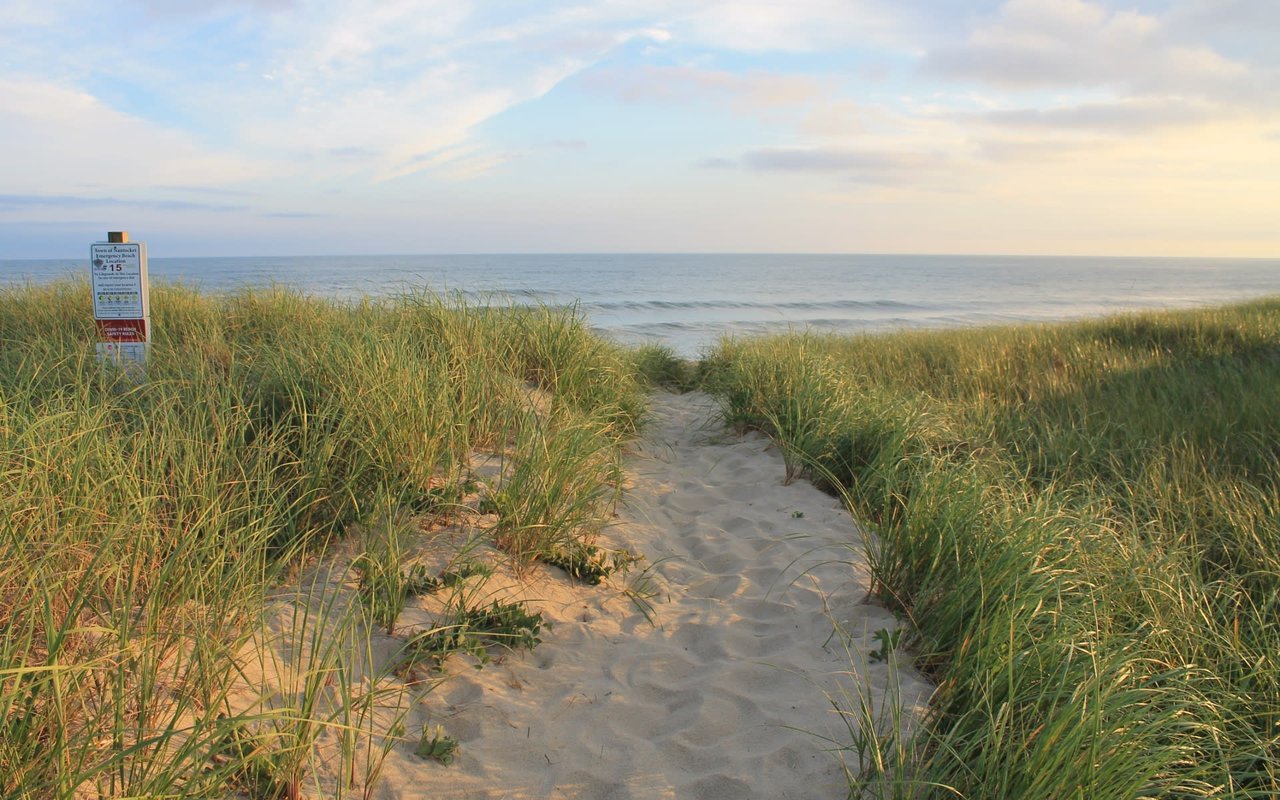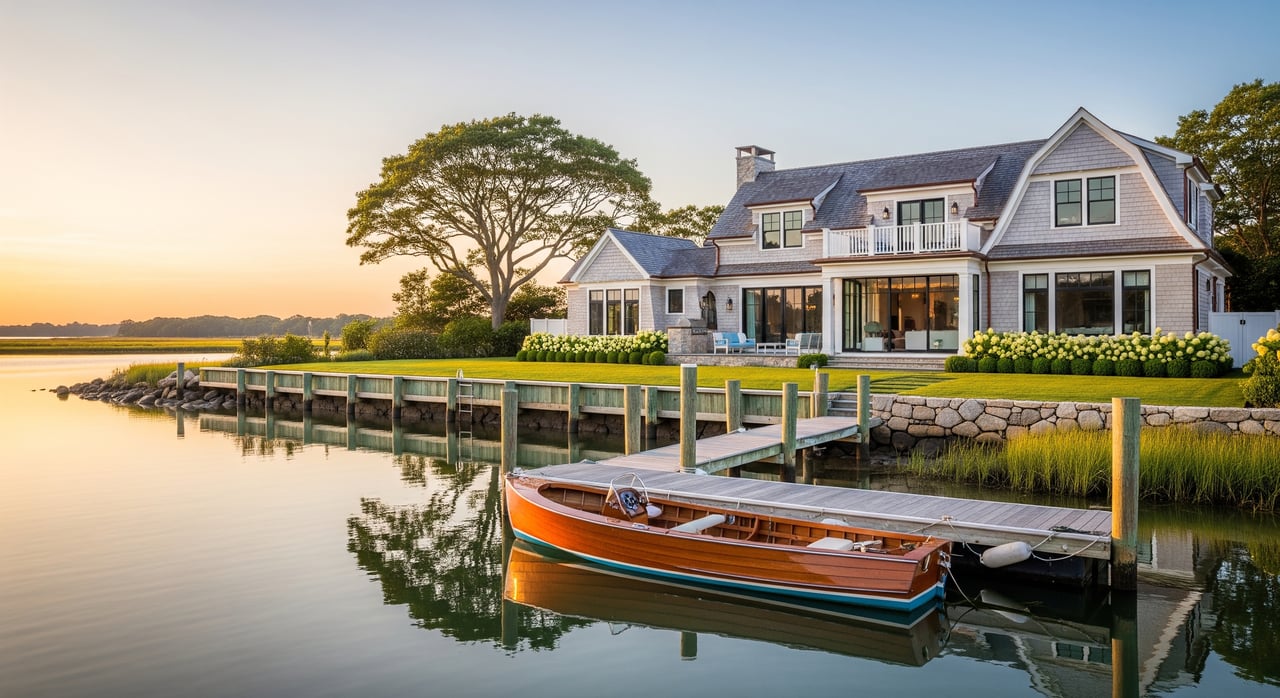
You picture morning coffee with salt air and sunset walks along the Sound, but you also want clarity on the costs, rules, and responsibilities that come with waterfront living in Riverside. That’s smart. Waterfront homes offer a rare lifestyle, and they also demand careful planning, from permits and maintenance to insurance and resale strategy. In this guide, you’ll learn the key realities of owning on the water in Riverside so you can move forward with confidence. Let’s dive in.
Riverside waterfront basics
Riverside is a Fairfield neighborhood on Long Island Sound. Waterfront parcels range from direct beachfront lots to properties along tidal creeks, harbors, and marsh edges. Even homes set slightly back from the shore can experience coastal influences, so it’s important to understand your lot’s exact exposure.
Property types and exposure
- Direct shoreline or beachfront: Highest exposure to waves, storm surge, and salt spray.
- Tidal creek or harbor frontage: Tidal flooding and storm surge are primary concerns; ice and debris can stress docks and pilings.
- Water‑adjacent, set back: Lower wave energy but still influenced by tides, drainage, and salt air.
Each property type can carry different maintenance needs, insurance costs, and permitting triggers. Clarify what you own and what is regulated before you plan any changes.
Local coastal hazards
Riverside owners should plan for tidal flooding during storms, storm surge from nor’easters and hurricanes, and gradual shoreline change from erosion. Many Northeastern towns are also seeing more frequent “nuisance” flooding, which can disrupt access and increase maintenance. Winter ice and freeze/thaw cycles can accelerate wear on docks, and salt air can corrode metals and weather exterior finishes faster than inland.
For long‑term planning, review the NOAA Sea Level Rise Viewer to understand future scenarios for your exact location. Pair that with current FEMA flood maps to confirm today’s flood zone.
Maintenance you should plan for
Waterfront homes reward steady, proactive care. Build a maintenance plan and budget that matches your exposure and the materials on site.
Shoreline structures
Bulkheads, seawalls, and revetments need regular inspections for cracks, movement, and scour. Wood and timber elements often require more frequent work than stone, concrete, or riprap. A failed bulkhead can destabilize your yard and even affect your foundation, so prompt repairs matter. Replacement is a major capital project and usually triggers permits.
Docks and moorings
Expect seasonal inspections for pilings, floats, fasteners, and hardware corrosion. Many owners remove or secure floats for winter. Keep maintenance logs and photos for safety and insurance. If the dock is shared, verify the recorded agreement that spells out cost‑sharing, access, and liability.
Landscaping and drainage
Salt spray and brackish water limit plant choices. Favor coastal‑tolerant species and plan for periodic replacements. Good drainage helps protect the shoreline from accelerated erosion. Grade your yard and route roofwater to avoid concentrating runoff toward the shore.
Systems and utilities
Older waterfront homes may use septic systems. Proximity to tidal wetlands can affect setbacks and replacement options, and high groundwater can reduce system performance. Ask about system age, inspections, and any past failures. If there is a private well, test water quality and monitor for salinity changes.
Storm prep and winterizing
Plan annual routines for securing outdoor furniture, removing or tying down floats, and winterizing irrigation. After major storms, be ready for emergency repairs that may not be fully covered by insurance. Keep contractor relationships current so you can act quickly when needed.
Budgeting for ongoing costs
Your long‑term plan should include:
- Routine dock, deck, and shoreline inspections
- Landscaping replacements, seasonal cleanups, and erosion control
- Septic inspections and potential upgrades
- Higher homeowner and flood insurance premiums
- Possible association or shared shoreline expenses
- Capital reserves for bulkhead replacement, major dock rebuilds, and post‑storm repairs
Permits and regulations in Fairfield
Coastal properties sit within multiple layers of oversight. Understanding who regulates what will save you time and stress.
Who regulates what
- Town of Fairfield: Local zoning, building permits, and harbor management rules through the Harbormaster and Harbor Management Commission.
- Connecticut DEEP: Permits for work in tidal wetlands and coastal waters, and coastal site plan review under state coastal management policies. Learn more at Connecticut DEEP.
- U.S. Army Corps of Engineers: Federal permits for certain activities in navigable waters under the Clean Water Act and Rivers and Harbors Act.
- Floodplain management: Local building permits must follow FEMA floodplain rules for construction in mapped flood zones.
Projects that trigger permits
- New or rebuilt docks and piers almost always require municipal review and state, and sometimes federal, permits.
- Bulkhead, seawall, or revetment work, and beach nourishment typically require state review and may involve federal permits.
- Landscaping that alters hydrology or vegetation near tidal wetlands can require review.
- Mooring and slip permits are handled through local harbor management and are often renewed annually, sometimes with waitlists.
Timelines and compliance tips
Approval times vary. Minor municipal approvals can take weeks, while combined town, state, and federal permits can take several months. Conditions may specify materials, elevations, or native plantings. Unpermitted work can trigger stop‑work orders, fines, or restoration requirements.
Practical steps:
- Contact the Fairfield Harbormaster and Town Planner early for guidance on local rules and whether a variance is needed.
- Review the deed, HOA covenants, and prior permits. Ask the seller for all relevant records.
- Retain engineers and marine contractors who know Connecticut coastal permitting and seasonal work windows.
Insurance, financing, and resale
These factors shape your monthly costs and future marketability. Plan for them upfront.
Flood insurance basics
If the property sits in a FEMA Special Flood Hazard Area, lenders with federally backed loans will require flood insurance. You can buy coverage through the National Flood Insurance Program or private carriers. Premiums depend on elevation, past claims, community participation, and coverage choices. Learn more about flood coverage through FEMA’s NFIP resources and how pricing is changing under Risk Rating 2.0.
Request an elevation certificate early if one is not available. It helps estimate premiums and can inform mitigation steps, like elevating utilities.
Homeowners and wind coverage
Standard homeowners policies exclude flood. Windstorm coverage is typically included, but coastal homes can face higher premiums, stricter underwriting, or higher wind deductibles. Some carriers also require mitigation measures to bind coverage. For policy guidance and consumer protections, review the Connecticut Department of Insurance.
Financing and appraisals
Waterfront homes often carry a price premium for views and access, but visible shoreline deterioration or unresolved permitting can reduce value and slow underwriting. Lenders look for safe access and insurability. Underwriting will scrutinize flood risk and insurance costs more closely than for an inland home.
Resale dynamics and disclosures
Waterfront homes typically attract a focused buyer pool that values the lifestyle and accepts higher upkeep. Market resilience can be strong, but premiums are sensitive to visible storm damage, regulatory changes, and rising insurance costs. Sellers must disclose known flooding issues, claims history, repairs, and recorded easements or restrictions. Clean documentation and compliant shoreline structures help protect value at resale.
Due diligence checklist
Use this list to streamline your evaluation and negotiations.
Documents to request
- Deed and any recorded easements, covenants, or shoreline restrictions
- All permits and approvals for docks, bulkheads, or major shoreline work
- Maintenance and repair invoices for shoreline structures, septic, and post‑storm work
- Insurance loss history and any flood claims
- Recent survey showing mean high water and lot lines, if available
Inspections and technical checks
- General home inspection with special attention to foundation and shoreline structures
- Dock and bulkhead evaluation by a contractor familiar with coastal systems
- Septic inspection and, if needed, review by an onsite wastewater specialist
- Elevation certificate to compare house elevation to base flood elevation
- Environmental review if the property abuts tidal wetlands or marsh
Questions for local offices
- Harbormaster: Mooring availability, harbor rules, and historic restrictions
- Planning, zoning, and building: Floodplain requirements, pending ordinances, or shoreline projects
- Assessor: Recent assessments for comparable waterfront properties and any special assessments
Scenario planning
- Request photos or reports from recent storm events to understand vulnerability
- Obtain estimates for major future work, like bulkhead replacement or dock rebuilds
- Get preliminary flood and homeowners insurance quotes before you offer
- Confirm title, including riparian rights, shared dock agreements, or public access easements
Contract strategies
- Include contingencies for coastal‑structure inspections and permit reviews
- Consider escrow or seller credits if major work appears imminent
Putting it all together
Owning a Riverside waterfront home can be deeply rewarding. With a clear view of hazards, a smart maintenance plan, and a handle on permits and insurance, you can enjoy the lifestyle while protecting your investment. If you want tailored guidance on a specific property’s exposure, permits, and insurability, connect with Spencer Sodokoff for local, one‑on‑one support.
FAQs
Do I need flood insurance for a Riverside waterfront home?
- If the home is in a FEMA Special Flood Hazard Area and you have a federally backed mortgage, flood insurance is required; it is still wise to consider coverage even outside high‑risk zones.
Who maintains a shared dock or bulkhead in Fairfield?
- Maintenance and cost sharing are defined by the recorded deed, easements, or HOA covenants; verify ownership details and responsibilities during title review.
How do permits work for building a dock on Long Island Sound?
- New or expanded docks typically require municipal review plus state permits through Connecticut DEEP, and some projects may also need federal authorization; start consultations early.
What ongoing maintenance should I budget for on the waterfront?
- Plan for dock and bulkhead inspections, landscaping replacements, erosion control, septic checks, and higher insurance premiums, plus reserves for larger capital projects.
How does Risk Rating 2.0 affect my flood premium?
- FEMA’s Risk Rating 2.0 ties premiums more closely to a property’s individual risk factors, which can raise or lower rates; request quotes early to inform your budget.